
Early Life: Waila, Nausori
1888–1927
Almost everything we know about Pandit B.D. Lakshman's early life comes from the 1981 first edition by D. Sharma, which was written while he was still living and drew on his own memories and the family's. This page follows that account and says so. Few other records of these years have yet been found.
Born in the time of girmit
Brahma Dass Lakshman was born at Waila, near Nausori, on 17 September 1900. Fiji was then a British colony, and it was the time of girmit, the indenture system. As the first edition puts it, twenty years had gone by since Indians had begun to come to Fiji as indentured labourers. His birth certificate, registered late in Suva on 1 December 1925, records 1906; the family follows 17 September 1900, as in the 1981 booklet and the Second Edition.
His parents were among them. His birth certificate records his father as Cheta, a cultivator, and his mother as Sampat, and states that both were born in India. It gives the place of birth as Waila, Nausori, Rewa. (The spelling of his own name on that certificate is Brahma Das Lakshman, with a single s.)
The first edition records the family's account of his father, remembered as Bahu Chet Singh (also as Bahu Cheta Singh). In that account he came from Bareilly, in what is now Uttar Pradesh, and had served in the British Indian Army, stationed at Cawnpore. In the uprising of 1857, the story goes, he joined the rebels who were fighting for India's independence, and when they were defeated he threw away his tunic and escaped to Calcutta in the clothes of a labourer, where he worked for some years as a stevedore. In 1888 he boarded a ship bound for Fiji, and was indentured at the Nausori sugar mill. The first edition spells that ship the Hareford. This is family tradition, as told in 1981. Family research, still being checked against the archives, links the same line to the Hereford voyage of 1888. That link has not yet been independently confirmed.
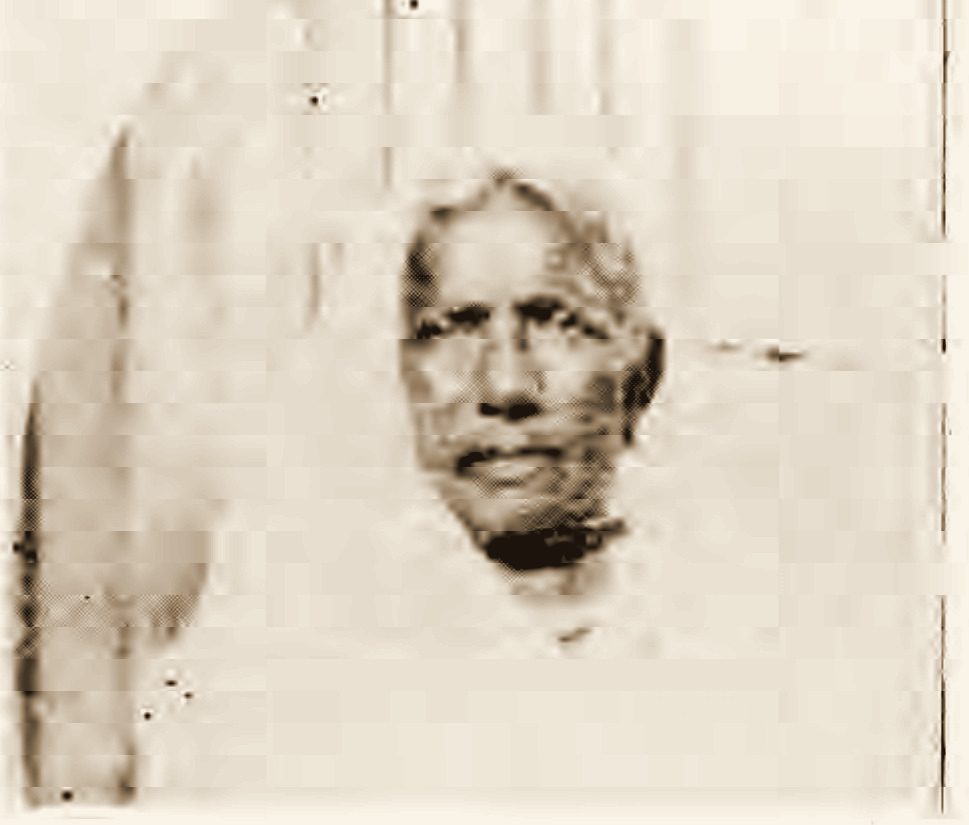
His mother, Sampat, came with her husband under indenture in 1888. The first edition says she came from Chapra District in Bihar. Her photograph was kept and printed in the 1981 edition.
A questioning boy
As a boy he saw the indenture system at close quarters. The first edition says that he saw people beaten on the sugar farms, people who ran away from hard work sent to prison for it, and the crowded, unhealthy labour lines in which families lived. He grew into a bright and questioning young man, always debating with his elders. Among them was Dr Mani Lal, a close family friend and neighbour.
A young teacher in Suva
He set out to become a teacher. In 1916 and 1917, the first edition says, he worked to gain the highest teaching qualifications then open to him, at a time when, it says, the Government expected Indian and Fijian children to remain labourers and farmers.
He became headmaster of the Marist Brothers primary school and superintendent of its boarding house. He also ran a night school in Suva, where, the first edition says, engineers came to learn algebra and geometry. He moved in the leading circles of Indian society in Suva, and he was chosen by the Education Department to represent the Indians of Fiji in welcoming the Prince of Wales. He read the Royal Address before the Prince and shook his hand.
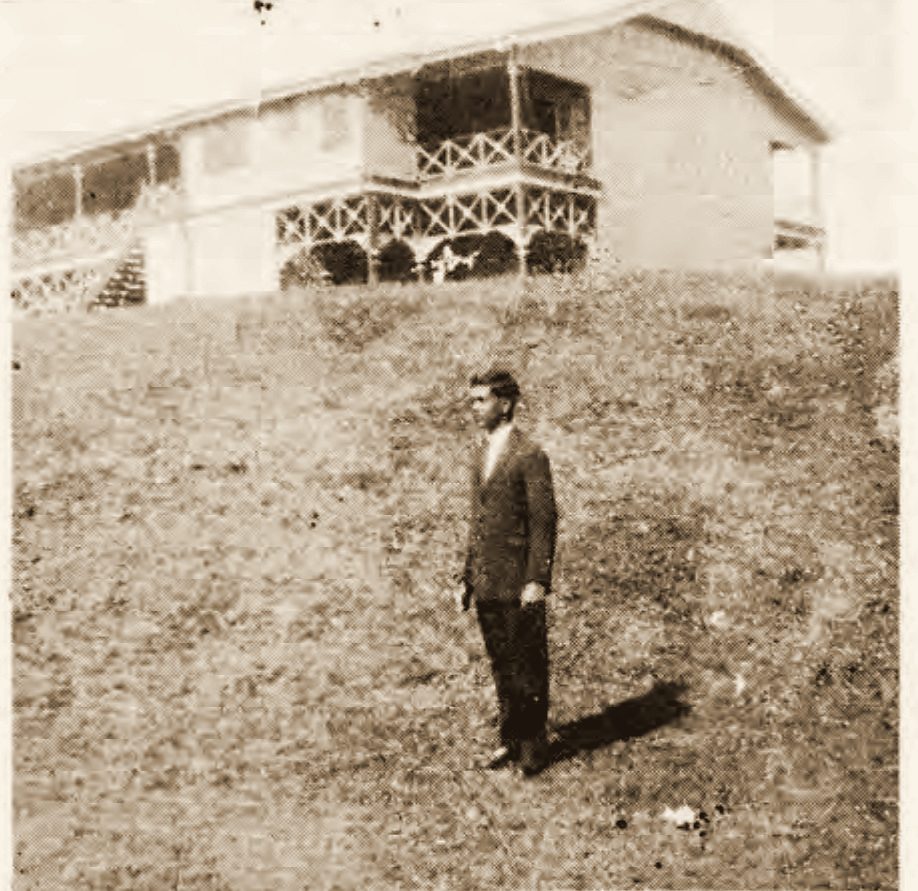
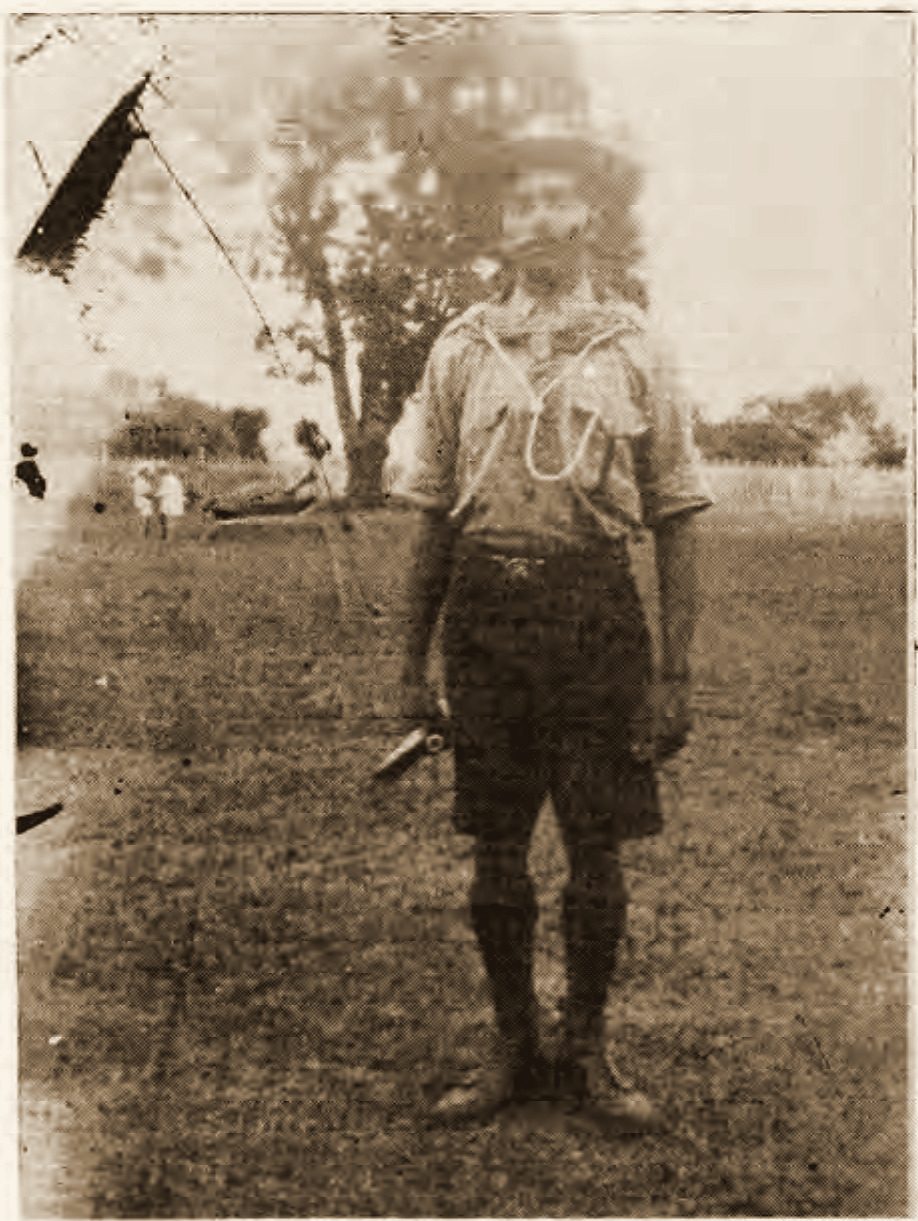
Two photographs from 1920 show him as a young man: one with St Felix College in the background, and one as Troop Leader and Bugler of the First Toorak Scouts.
The 1920 strike
In 1920 he took a full part in the long Indian strike of that year. The first edition describes the emergency regulations that followed: a curfew, a ban on more than five people meeting even in their own homes, and arrests without explanation. He shared these hardships with everyone else.
His future father-in-law, Gopal Sadhu of Nine Miles, Nasinu, a leading man of Rewa, led a large march during the strike to protest at the arrest in Suva of Mrs Mani Lal, the wife of Dr Mani Lal. Police and soldiers met the marchers at the Samabula bridge. The first edition describes a fierce clash in which Gopal Sadhu was seriously wounded and many people were arrested and imprisoned. Dr Mani Lal and other leaders were deported from Fiji.
One caption in the 1981 booklet dates the Samabula clash to 1930. The booklet's own text places it in the 1920 strike, and the Second Edition and this site follow the text.
Marriage
He married Rampiari, the daughter of Gopal Sadhu. The exact date of the wedding is not given in the sources. A photograph of 1924 already shows "his wife and family relatives in Fiji", and the 1981 booklet looked forward to the couple's Diamond Wedding Jubilee in 1982, which would place the marriage in about 1922. (Her name is spelled "Rampiary" in the text of the first edition; the family uses Rampiari.) More about their family is on the Family and Legacy page.
A birthright in Fiji
When the Raju Commission came from India to inquire into the strike, he welcomed its members at the Marist Brothers school. He told the Commission that Fiji-born Indians had a birthright in Fiji and that nobody could deport them. The first edition says that his words were reported in The Fiji Times under large headlines.
Education, and a decision
Education was close to his heart. He gave written evidence to the first Education Commission in the early 1920s, asking for reforms. In 1926, the first edition says, the Education Commission recommended that scholarships be awarded to Indian students, and two of his own pupils, Z.K. Dean and Satya Nand, won the first scholarships to New Zealand.
He then won a bursary of £26 himself to study in New Zealand, but it was not enough to cover his expenses. So, in February 1927, he left for India instead. That journey, and the seven years that followed, are told on the next page.
Sources for this page: D. Sharma, A Brief Life History (Suva, 1981), the first edition, for nearly all of this page; the family birth certificate of B.D. Lakshman (family records), for his parents' names, Cheta and Sampat, both recorded as born in India, and for the place of birth; a family history statement (2026), for the Bareilly origin and the spellings Bahu Chet Singh and Bahu Cheta Singh; family research, not yet archive-verified, for the Hereford voyage of 1888; his grandson, Pandit B.D. Lakshman (1900–1981), Second Edition (2026), chapter “Roots: Waila, Nausori, 1888–1927”; the birth date of 17 September 1900, as in the 1981 booklet and the Second Edition (see the note above). All photographs are from the 1981 edition. Full details are on the Sources page.